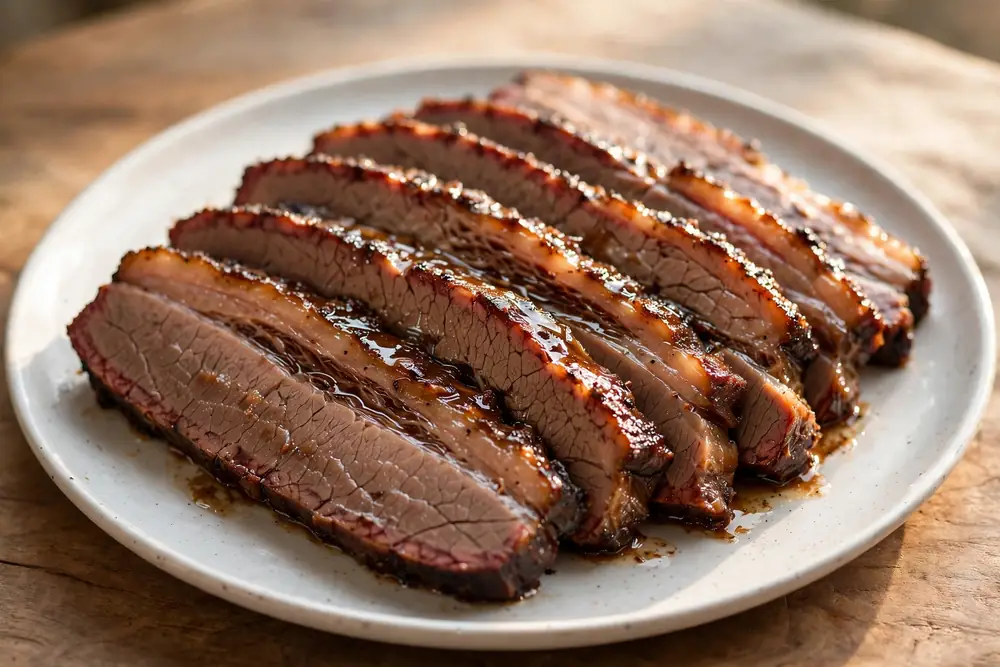
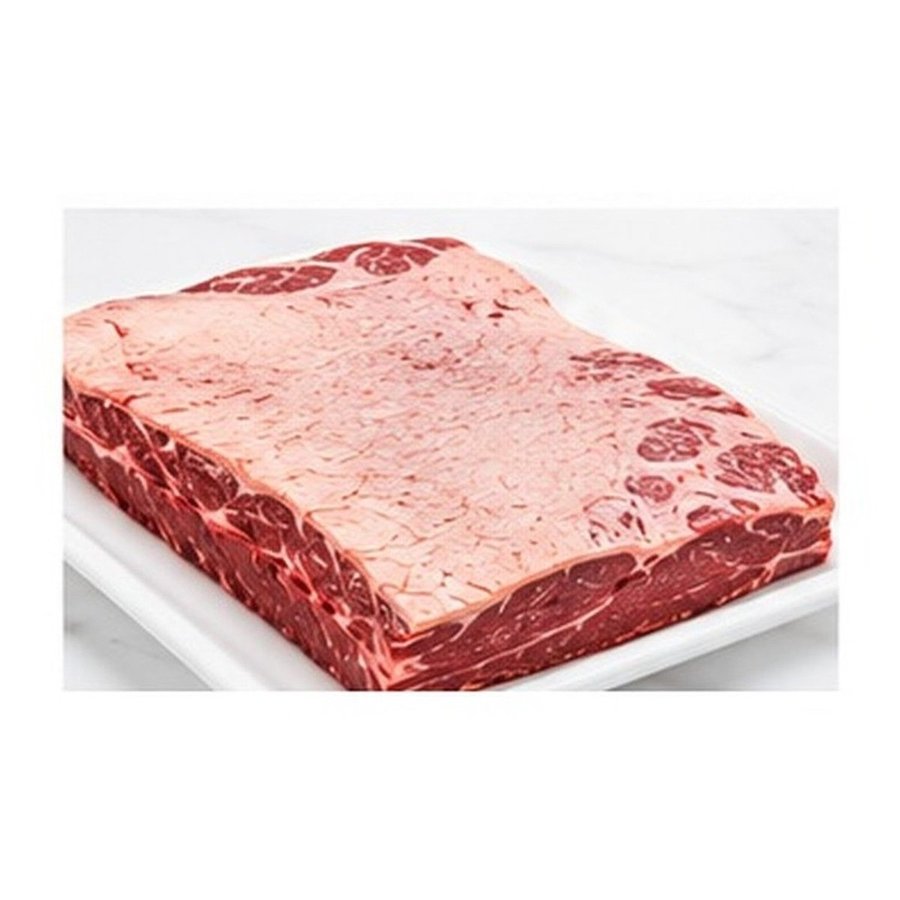
BEEF "PRIME" BRISKET 2ND CUT
Price per Lb.$31.99
Approx. package weight: 2.5 lb

Brisket is the king of slow cooking — and the most confusing cut at the counter. First cut, second cut, whole packer: this guide explains what each one is, how to choose, and the cooking methods that turn this humble cut into the centerpiece of Shabbos dinner.
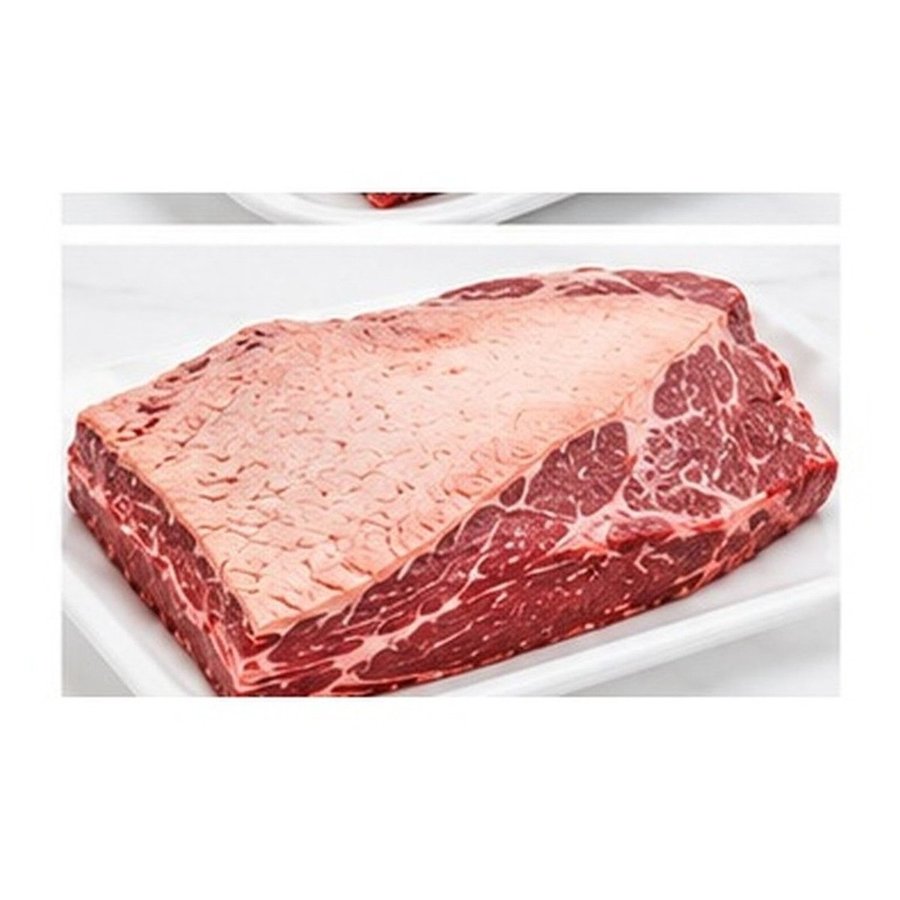
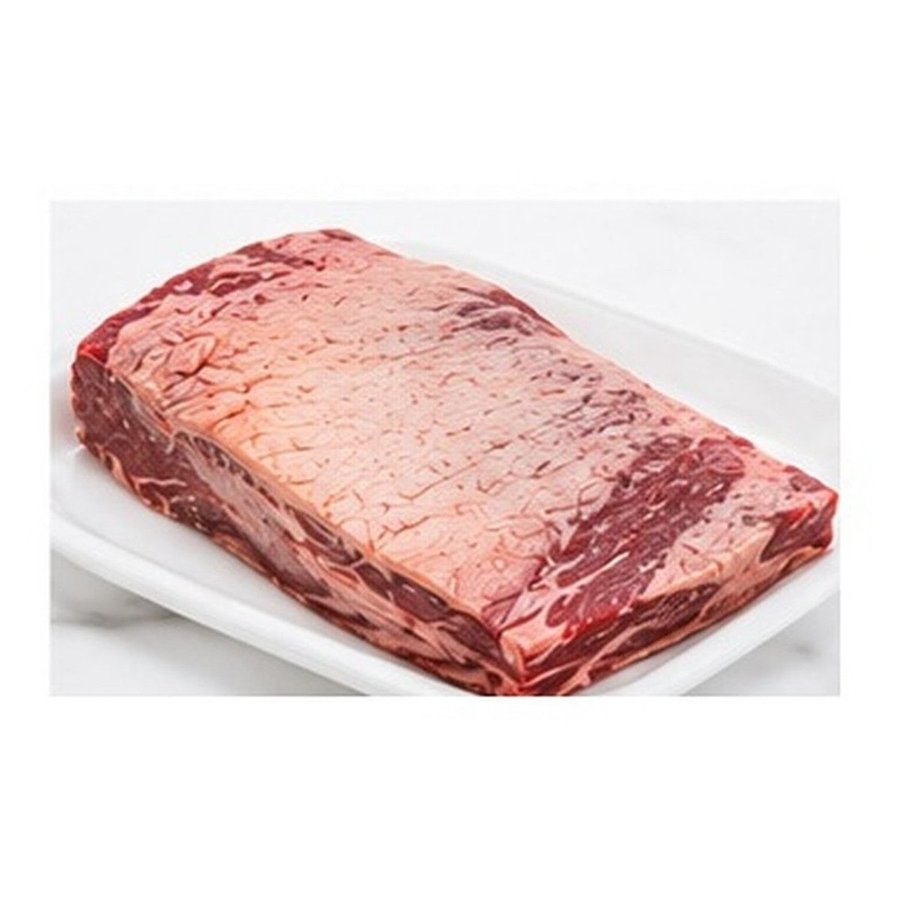
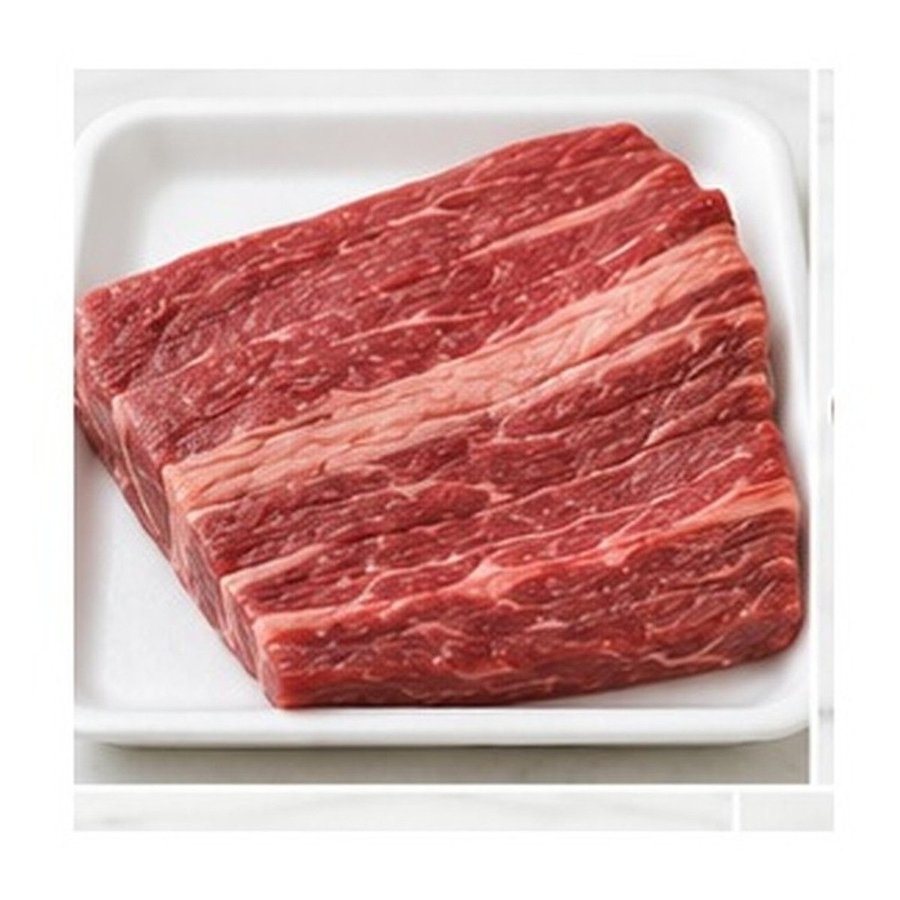
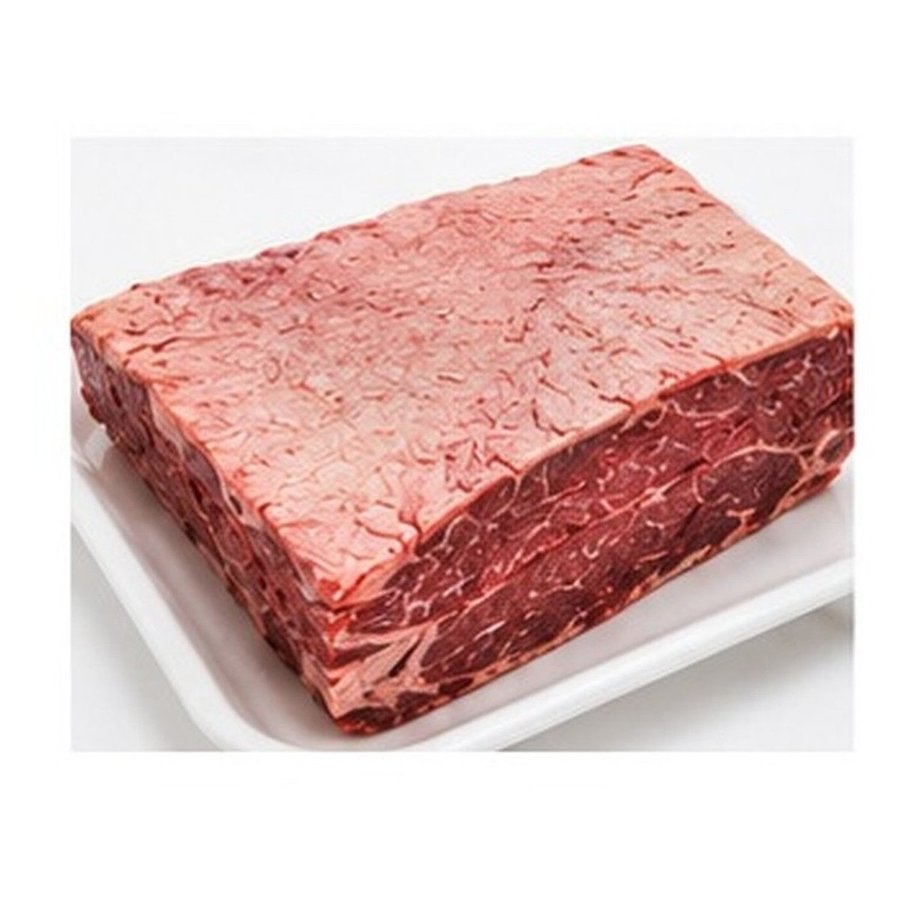
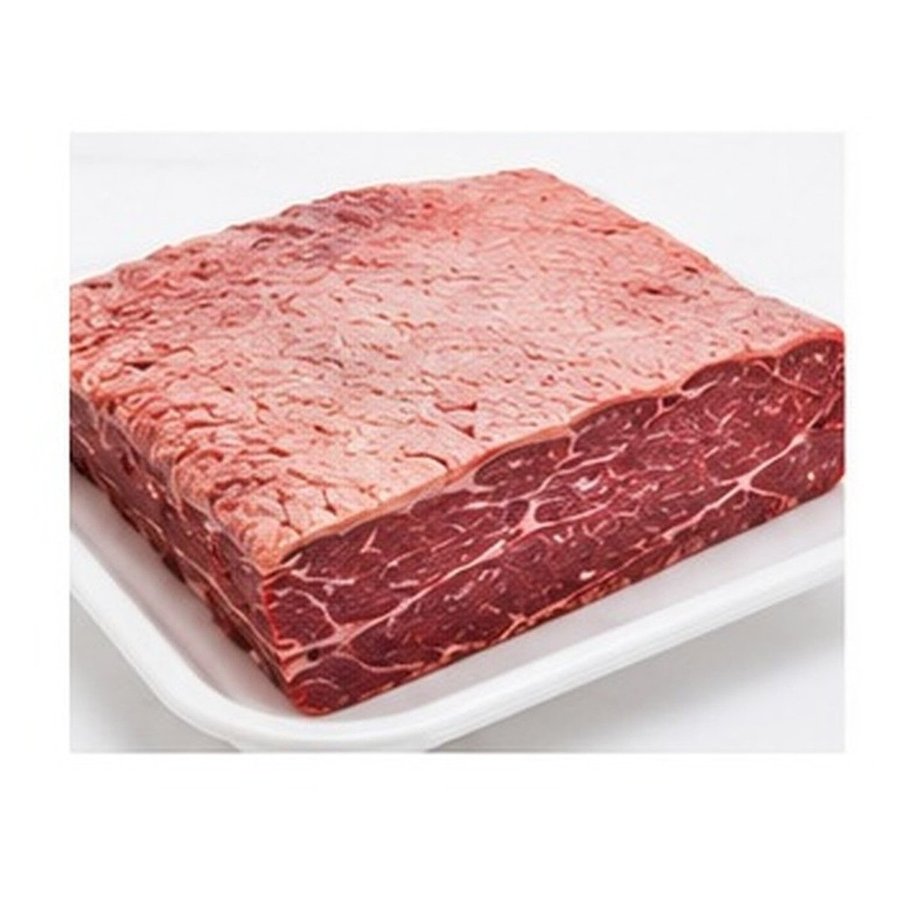
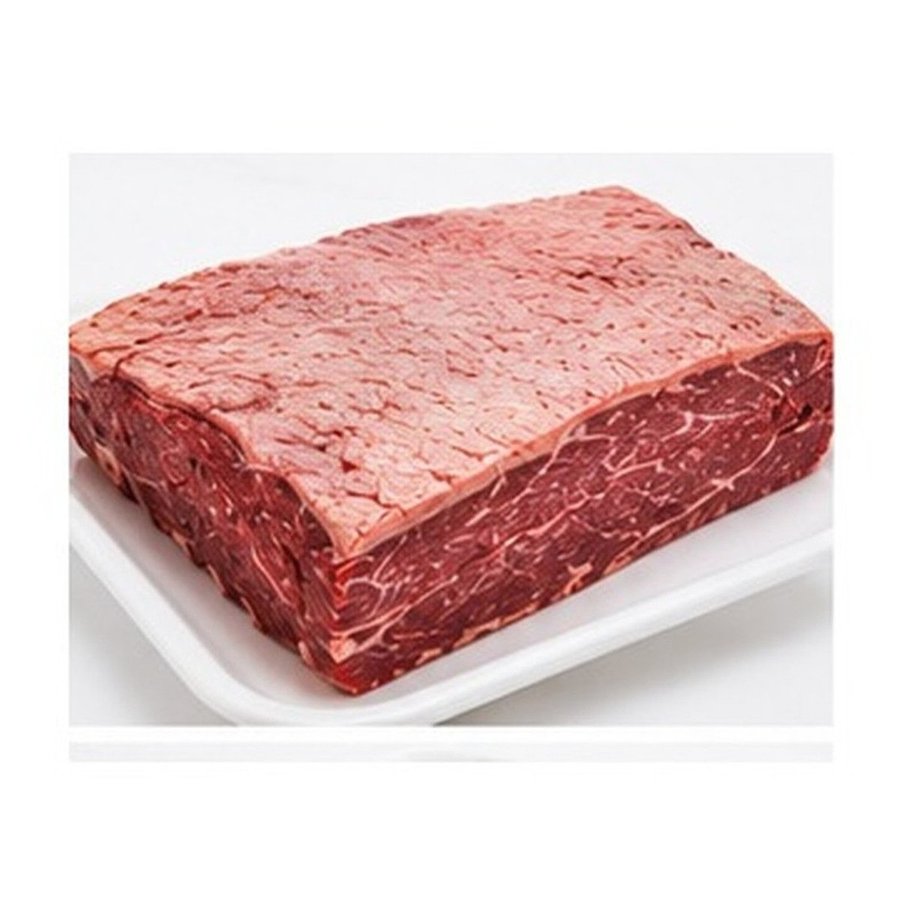
Brisket rewards patience and punishes rushing. Here is what our butchers tell shoppers every day about buying and cooking it.
Brisket comes from the breast of the cow — a hardworking muscle loaded with connective tissue. That tissue is what makes brisket tough when cooked fast and meltingly tender when cooked low and slow. A whole brisket has two muscles: the lean flat (first cut) and the marbled point (second cut).
The first cut (flat) is lean, even, and slices beautifully — the classic choice for a neat Shabbos brisket. The second cut (point) is fattier and more marbled, which means deeper flavor and juicier meat — the choice for barbecue lovers and cholent. Neither is better; they suit different tables.
A whole packer is the entire brisket — first and second cut together, untrimmed. It is the biggest commitment and the biggest payoff: ideal for smoking, for feeding a crowd, or for splitting between a braise and the freezer. Ask the butcher to trim it to your liking.
Look for even marbling and a thick, uniform flat so it cooks evenly. For braising, a first cut of even thickness is easiest. For smoking or maximum flavor, go second cut or packer. Tell the butcher your cooking method and headcount — the cut gets matched to the plan.
Low and slow is non-negotiable: the connective tissue needs hours to convert to gelatin. Whether you braise, smoke, or slow-cook, plan on the brisket telling you when it is done — a fork or probe should slide in with almost no resistance.
Sear the brisket on all sides, then cook covered in flavorful liquid at 300–325°F for 3 to 4 hours (longer for large packers). Cool slightly before slicing against the grain. Brisket often tastes even better the next day, reheated gently in its juices.
Yes — a whole packer or second cut smokes beautifully. Keep the smoker around 250°F, cook to tenderness rather than a strict temperature, and rest the meat well before slicing. Ask the butcher for a packer trimmed for the smoker.
Second-cut brisket is a cholent star: the marbling bastes the meat through the long overnight cook, and the beefy flavor enriches the whole pot. Ask for it cut into cholent-sized pieces.
You can order kosher brisket in Brooklyn at the Satmar Meats butcher counter at 4402 13th Avenue in Boro Park: walk in, call (718) 438-8444, or order online for pickup or local delivery, and the counter will cut and trim a first cut, second cut, or whole packer sized to your headcount.
Brisket rewards the cook who decides the method first. For a classic sliced Shabbos brisket, choose a first cut of even thickness so every slice cooks at the same rate. For deeper flavor, smoking, or the cholent pot, choose the second cut, and ask for it in cholent-sized pieces. For a crowd or the smoker, a whole packer gives you both cuts in one cook, and the butcher will trim it for the smoker or the braising pan before it is wrapped.
Plan about half a pound of raw brisket per person, because the cut shrinks roughly a third during the long cook, and round up for a crowd since leftovers reheat beautifully. Order during the week for Shabbos and holidays: brisket is one of the most requested cuts at the counter, the best pieces go early, and the store closes early on Friday, so a phone order set aside for pickup leaves Friday for cooking.
Pickup is at the store on 13th Avenue, or choose a local delivery area in the cart and have the brisket arrive with the rest of your order. Keep it in the coldest part of the refrigerator and cook it within a few days, or wrap it tightly and freeze it, then thaw it slowly in the refrigerator. The cooking rule never changes: low and slow, with moisture, until a fork slides in with no resistance.
Fall is brisket's season: the braising pot comes back for first cut, the smoker runs for whole packers on the last mild weekends, and a cooked brisket in the freezer carries a family through the busiest weeks. Satmar Meats cuts kosher brisket fresh at 4402 13th Avenue in Boro Park — first cut, second cut, whole packer, and pickled — trimmed the way you ask.
For the classic sliced brisket, choose a first cut of even thickness, sear it on all sides, and braise it covered at low heat until a fork slides in with no resistance. Brisket cooked a day ahead often tastes even better, reheated gently in its own juices, which is why fall cooks braise on Thursday and serve on Friday without any rush at all.
The fattier second cut is the flavor cut: it smokes beautifully, shreds for sandwiches, and melts into the cholent pot overnight. A whole packer gives you both cuts in one cook — slice the flat, and cube or shred the point. Ask the butcher for a packer trimmed for the smoker, or a second cut in cholent-sized pieces, ready for the pot when you get home.
Brisket shrinks roughly a third in the long cook, so plan about half a pound raw per person and round up. Leftovers reheat in their juices, shred for hash and sandwiches, and freeze well in meal-size portions. Order during the week by phone at (718) 438-8444 or online, before the best pieces go for Shabbos and the holidays.
A whole brisket is two muscles in one piece — the lean flat, called the first cut, and the marbled point, called the second cut — and the right order depends on the pan. At Satmar Meats, 4402 13th Avenue in Boro Park, the counter cuts and trims a first cut, a second cut, or a whole packer to your headcount and your cooking plan.
The first cut is lean and even, so it slices beautifully for a neat Shabbos brisket. The second cut is fattier and more marbled, which means deeper flavor for the smoker and the cholent pot. Neither is better; they suit different tables. Tell the butcher which meal you are cooking and the cut follows, trimmed the way your recipe needs it. If the brisket is headed for the cholent pot, say so — the counter also cuts brisket into pieces sized for the pot, so the meat goes in ready and cooks evenly with the rest of the cholent.
Plan about half a pound of raw brisket per person, because the cut shrinks roughly a third during the long cook, and round up for a crowd since leftovers reheat beautifully. A whole packer — both cuts together, untrimmed — is the choice for smoking, for feeding a crowd, or for splitting between a braise and the freezer, and the butcher will trim it for the smoker or the pan.
Brisket rewards patience: low and slow heat turns its connective tissue tender, and cooking a day ahead lets the slices rest in their own juices. Order during the week for Shabbos and holidays, when the counter is at its busiest, by walking in, ordering online for pickup or local delivery, or calling (718) 438-8444.
Everything shoppers ask about kosher brisket — answered in plain terms.
First cut (the flat) is leaner and slices into clean, even slices — the classic Shabbos brisket look. Second cut (the point or deckel) is fattier and richer, with more connective tissue that melts into unctuous, shreddable meat. First cut for slicing, second cut for flavor; many families cook a whole packer and serve both.
A whole packer is the entire brisket — first cut and second cut still joined — usually 10 to 16 pounds. It is the choice for big crowds, smoking, and anyone who wants both cuts from one cook. The counter can trim it and cut it to your specs.
Low and slow, with moisture: braise covered at 300–325°F until a fork slides in with no resistance. The enemy is rushing — brisket is done when it is tender, not when the clock says so. Rest it at least 30 minutes before slicing, and always slice against the grain.
Plan roughly an hour per pound at 300–325°F, but cook to tenderness, not time — a 5-pound first cut typically needs 4 to 5 hours. If it resists the fork, it needs more time; brisket does not overcook easily at low heat, it just gets more tender.
Yes — kosher brisket smokes beautifully. Use a whole packer, smoke at 225–250°F with oak or hickory until the bark sets (around 165°F internal), then wrap and finish to about 203°F, when a probe slides in like butter. Rest at least an hour before slicing.
Second cut is excellent for cholent — the fat and connective tissue melt into the beans and potatoes overnight and the meat stays succulent. First cut works too but can dry out over the long cook; ask the counter for a cholent-cut second cut.
Plan about half a pound of raw brisket per person — it shrinks roughly 30 to 40 percent during the long cook. For a crowd, round up; leftover brisket is better the next day anyway.
Satmar Meats at 4402 13th Avenue in Boro Park cuts kosher brisket fresh at the butcher counter — first cut, second cut, whole packers, and pickled brisket. Order online for pickup or local delivery, or call (718) 438-8444.
Yes. Tell the butcher how much fat you like left on and he will trim the brisket to order before it is wrapped. Some cooks like a thicker fat cap for a long, slow cook and others prefer it leaner — either way, having it trimmed at the counter saves you the work at home.
Yes, brisket freezes very well, which makes it a smart buy ahead of a holiday. Wrap it tightly, freeze it as soon as you get home, and thaw it slowly in the refrigerator — a large brisket can need a full day or more. Cooking from a properly thawed brisket gives you the most even, tender result.
It is one of the best choices there is. Brisket cooks in one large piece, slices beautifully, and reheats well, which is why it anchors so many Shabbos and holiday tables. Tell the butcher at (718) 438-8444 how many guests you expect and he will size the piece — or pieces — so there is plenty without waste.
Reheat it gently and keep it moist. Slice the brisket, lay it in a pan with some of its cooking juices, cover it well, and warm it in a low oven until it is heated through. Low and slow is the rule for reheating, just as it is for cooking — rushing it on high heat is what dries brisket out.
Tough brisket usually just needs more time. Brisket turns tender when it cooks low and slow long enough for the connective tissue to melt; if it is chewy, it is almost always underdone rather than overdone. Slice it against the grain when you serve it, and next time give it the extra hour — patience is the whole secret of this cut.
Yes — brisket is one of the most requested cuts before Shabbos and holidays, and the best pieces go early. Ordering ahead at Satmar Meats, 4402 13th Avenue in Brooklyn, means your brisket is reserved, trimmed the way you like, and ready for pickup or delivery when you need it.
Look at the lines running through the meat, then slice across them, not along them. Slicing against the grain shortens the long muscle fibers, so each slice eats tender instead of chewy. On a whole packer, the grain changes direction between the first and second cut, so turn the meat and check the lines again before you slice the second part.
Yes, brisket is one of the best meats to cook a day ahead. It often tastes even better the next day, after a night in its own cooking juices. Cool it, refrigerate it in its juices, slice it, and reheat it gently in those juices before serving. Cooking ahead also takes the timing pressure off a holiday or Shabbos meal.
Yes. You do not have to buy a whole packer. The counter cuts brisket to the size your meal needs, first cut or second cut, and trims it the way you like before it is wrapped. Tell the butcher your headcount and cooking method, and the piece you take home will match the plan instead of taking over your refrigerator.
Pickled brisket is brisket cured in a seasoned brine before cooking, which gives it a tangier, more seasoned taste and a firmer slice than fresh brisket. Satmar Meats carries pickled brisket alongside fresh first cut, second cut and whole packers. Cook it low and slow like fresh brisket, and ask the counter how they suggest serving it.
Rest brisket at least 30 minutes before slicing, and a full hour for a large smoked packer. Resting lets the juices settle back into the meat instead of running out onto the board. Keep it warm and covered while it rests, then slice against the grain and serve it with its warm cooking juices.
Leftover brisket reheats well in its juices, and it also shreds easily for sandwiches, tacos, or a hash with potatoes and onions. Second-day brisket can go into cholent or a soup pot as well. Cool leftovers quickly, refrigerate them in sealed containers, and use them within a few days, or freeze them for later.
Satmar Meats at 4402 13th Avenue, Brooklyn, NY 11219 is open Sunday 10:30 AM to 10 PM, Monday to Wednesday 9 AM to 10 PM, and Thursday 8:30 AM to 10 PM. The store closes early on Friday and is closed on Saturday, so call (718) 438-8444 to confirm Friday and holiday hours before you come in.
Yes. Call (718) 438-8444 and tell the butcher which cut you want — first cut, second cut, whole packer, or pickled — how much you need, and how you like it trimmed. Your brisket will be cut and set aside for pickup at 4402 13th Avenue, Brooklyn, NY 11219, or you can order online for pickup or local delivery.
Yes. Order online, add your brisket to the cart, and choose a local delivery area, or choose pickup at the store at 4402 13th Avenue in Boro Park. The store confirms delivery availability and timing with your order, so plan ahead for Shabbos and holiday meals.
Keep fresh brisket in the coldest part of the refrigerator and cook it within a few days. If your plans change, wrap it tightly and freeze it as soon as you get home, then thaw it slowly in the refrigerator — a large brisket can need a full day or more — before you cook it.
Yes. Ask the butcher for a whole packer trimmed for the smoker and he will prepare it before it is wrapped. A whole packer or second cut smokes beautifully at low heat, and having the trimming done at the counter means the brisket goes straight onto the smoker when you get home.
Yes. Ask the counter for a cholent-cut second cut, and the brisket can be cut into cholent-sized pieces before it is wrapped. Second cut is the right choice for the pot: its fat and connective tissue melt into the beans and potatoes overnight and the meat stays succulent.
Yes. Searing the brisket on all sides before it goes into the liquid builds the deep, browned flavor that a long braise cannot make on its own. Sear it hot and dry, then cook it covered at 300 to 325 degrees with flavorful liquid until a fork slides in with almost no resistance.
Yes. Brisket suits a slow cooker well because the method is the same low-and-slow cooking the cut needs: sear it first if you can, add liquid and aromatics, and cook it covered on low until it is fork-tender. A first cut slices neatly from the slow cooker, and a second cut shreds. Cook to tenderness, not to the clock.
For a braise, the brisket sits in liquid either way, and many cooks keep the fat cap up so it bastes the meat as it renders. On a smoker, cooks place the fat toward the heat source to shield the meat. Either way, tell the butcher how much fat you like left on, and the brisket is trimmed to your plan before it is wrapped.
Keep it simple and let the beef lead: coarse salt and black pepper are the classic smoker's rub, and a braise takes well to garlic, onion, and paprika in the cooking liquid. Brisket's flavor comes from the long, slow cook and its own marbling, so a heavy rub is never the point — season generously, cook patiently, and slice against the grain.
Brisket comes from the breast of the cow and cooks into long, even slices — first cut for neat slicing, second cut for richer shredding. Chuck roast comes from the shoulder and eats more like a pot roast, tender enough to pull apart with a fork. Both need low-and-slow cooking; choose brisket for slicing at the table, chuck for a braised roast in its own gravy.
Yes — burnt ends come from the second cut, the point of a whole packer. Smoke or braise the packer until tender, cube the point, toss the cubes with sauce, and return them to the heat until the edges caramelize. Ask the butcher for a whole packer or a second cut, and say burnt ends are the plan so the trimming matches.
The deckle is the fatty layer between the two muscles of the brisket, the lean flat and the marbled point. The butcher can trim it to your liking before you take the brisket home, so tell the counter whether the brisket is going into a braise, a smoker, or the cholent pot.
Brisket braises best with liquid around it in a covered pan, cooked low and slow until tender. The slices then rest in that same cooking liquid, which is what keeps a brisket made a day ahead moist when it is reheated for serving.
Yes. Two smaller pieces cook at the pace of their own thickness and can be easier to fit in a home oven than one whole packer. The counter will cut and trim smaller pieces of first cut or second cut, sized to your headcount and your pan.
Yes. Cooked brisket freezes well in its own cooking liquid, which protects the slices from drying out. Thaw it slowly in the refrigerator and reheat it gently in the sauce, and a brisket cooked ahead serves like it was made that day.
Onions under the brisket are the classic start, and sturdy vegetables that can take a long cook belong in the same pan. Add them around the brisket for the braise rather than at the table, so they pick up the flavor of the cooking liquid as the meat turns tender.
Brisket is ready when a fork slides into the thickest part with almost no resistance — tenderness, not the timer, is the test. Let it rest before slicing, then slice against the grain so every piece eats tender.
Choose a named beef cut for your recipe, then review its price and package details. Our Boro Park butcher catalog includes steaks, flanken, roasts, ground beef and other beef selections. Build an order from individually listed cuts and quantities for a barbecue, family dinner or Shabbos meal; the cart does not require a preset steak bundle or a recurring subscription.
The selection includes chuck eye, London broil, New York steak, oyster steak, stew meat and several flanken cuts. Product names distinguish bone-in, boneless, thin-sliced and frozen items where applicable. Use the category filters and product details to compare the cuts you need rather than treating every steak or roast as interchangeable.
Review the sale unit and approximate package weight on the product card. The cart estimates package cost from the listed weight, and the store confirms the final total using actual weight. Add each selected cut and quantity to build your own order alongside prepared sides or sauces and seasonings.
Kosher certification is provided by Kiryas Yoel.
Ask (718) 438-8444 about the exact cut if you need producer, farming, antibiotic or hormone information. Use the selected product’s labeling and the store’s confirmation. Kosher certification does not by itself establish a no-antibiotics, no-added-hormones, grass-fed or farm-specific claim. Confirm these attributes for your chosen item before relying on them.
Compare the approximate package weight and sale unit on each product card. Where a product offers size or cut options, open View & choose and select the option you need before adding it to the cart. Listed weights are estimates rather than a guarantee of an exact finished weight. If your recipe needs a particular thickness, weight or number of portions, call (718) 438-8444 to confirm what can be supplied.
Review the labeling for the exact product and ask the store to confirm its USDA grade before ordering. Some catalog names include the word Prime, but this page does not provide a selectable Prime-versus-Choice comparison for every cut. Do not assume all steaks have the same grade or that a named product offers both grades. Call (718) 438-8444 about the cut you want.
The online menu does not list a day-by-day aging selector for these steaks. For dry-aged or wet-aged beef, a particular aging period, or another special request, contact the store about the exact cut and confirm availability before ordering. The current product listing and the store’s confirmation determine your available options.
Compare the displayed price per pound with the approximate package weight, and check the cart’s estimated package cost. The catalog includes cuts such as prime minute steak, chuck eye, London broil, New York steak and oyster steak. Browse roasts, flanken or the full beef selection for other choices. For a cut not shown, such as Chateaubriand or bistro steak, ask the store whether it is available and request its current price; another butcher’s price or product name does not describe this catalog.
Review the product listing for the cut and package details, then confirm current stock with the store before planning your meal. A visible product card does not guarantee every weight, cut option or special request is available. Call (718) 438-8444 about the exact item, size and date you need. If your preferred choice is unavailable, ask about an alternative suited to your recipe.
Tell the butcher whether you plan to grill, pan-sear, oven-roast, braise, smoke or use sous vide, along with your recipe and guest count. For quick grilling or pan-searing, ask which of the listed steaks suits that method and your preferred thickness. For oven cooking, compare the roast selection; for slow, moist cooking, browse flanken and chulent cuts. Smoking and sous vide need a recipe matched to the exact cut, thickness and equipment. Confirm your cut before ordering rather than applying one cooking method to every steak.
Pickup is at 4402 13th Avenue, Brooklyn, NY 11219. For delivery, review our delivery areas and choose your area in the cart. Confirm availability and timing with the store when planning for a particular meal or event. This checkout is for pickup or the listed delivery areas; it does not offer a nationwide steak-shipping service or a guaranteed delivery-date selector. Ask the store about packaging and the fresh or frozen state of your selected cuts, and arrange to refrigerate them promptly after arrival. For a barbecue or Friday meal, confirm your requested date and quantity before finalizing plans. Review the cart’s current delivery minimum and fee for your address.